Engineering acceleration
Your team uses AI. Why aren't you shipping faster?
We identify and remove the engineering bottlenecks preventing AI from improving delivery.
Discuss your engineering bottlenecksRelevant proof
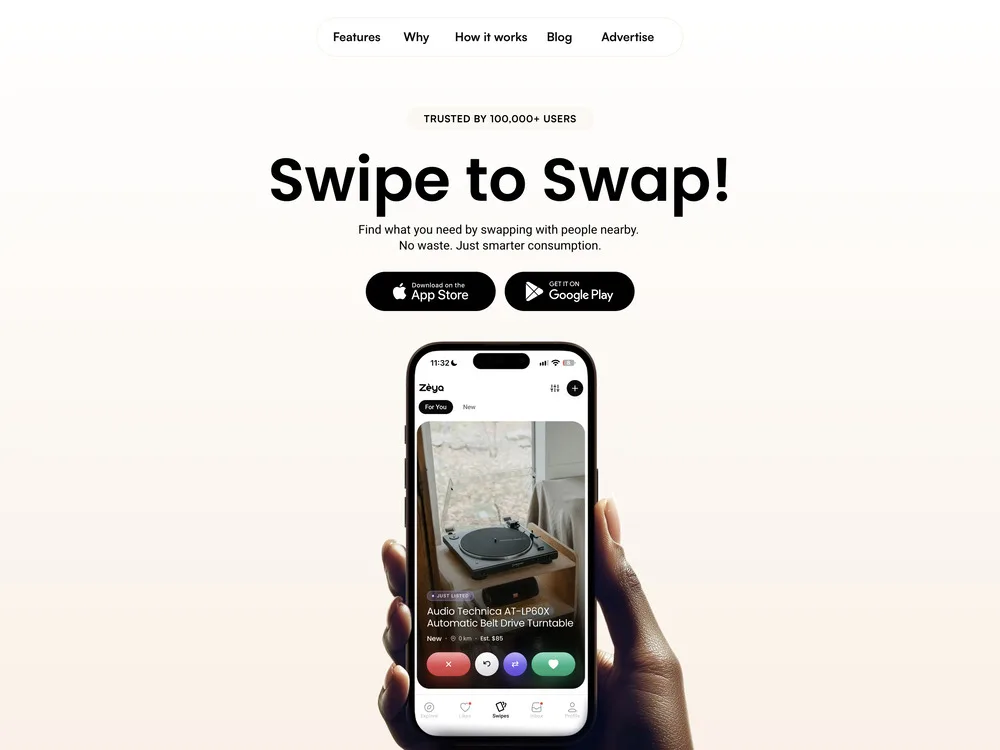
Zèya, a 90 day product rebuild
El Mehdi directed the rebuild with a team of four. After the rebuild and team changes, Zèya recorded five times the commits and four times the pull requests during the measured period.
- Team
- Four people
- Rebuild
- 90 days
- Measured activity
- Five times commits, four times pull requests
What we examine
AI is one part of the delivery system.
- Architecture and maintainability
- Repository clarity
- Agent context and documentation
- Standards and conventions
- Testing and QA
- Review quality
- Development workflow
- Release bottlenecks
- Team practices and enablement
Your first engagement
Start with an engineering delivery audit.
A focused paid engagement lasting one to two weeks. We confirm scope and quote the engagement after the qualification call.
We establish the delivery baseline, inspect the codebase and delivery system, identify the constraints with the highest leverage, and present a prioritized implementation plan.
- Delivery baseline and agreed measures
- Constraint map across code, workflow, review, testing, and releases
- Prioritized recommendations with dependencies and risks
- Implementation plan and proposal for MCG to execute
The findings and plan remain useful even if you choose another team for implementation.
Discuss the auditOperating model
Measure before making promises.
- 01
Establish baseline
Agree on delivery measures such as cycle time, deployment frequency, lead time for changes, and escaped defects.
- 02
Diagnose constraints
Examine the codebase, review, QA, release process, and team practices together.
- 03
Implement agreed interventions
Address the constraints with the team and make responsibilities explicit.
- 04
Compare agreed measures
Review the same measures, with context and dependencies intact.
Good fit
This works best when
- You have an active product and engineering team.
- You can provide the access and measurement needed for diagnosis.
- Your team can participate in agreed changes and comparison.
Not a fit
This is not a shortcut promise
- AI seats alone are expected to guarantee outcomes.
- There is no willingness to establish a baseline.
- Code, review, release, and organizational constraints are off limits.
FAQ
Before we talk
What is included?
The scope follows the diagnosed constraints and may cover architecture, repository clarity, testing, QA, review, workflow, releases, and team enablement.
How long does it take?
Duration depends on product complexity, team size, access, baseline quality, and the agreed interventions.
How is impact measured?
We agree on useful delivery measures before changes begin. Activity measures are supporting context, not proof of business outcomes.
What access is needed?
Access depends on scope. We agree on the minimum code, workflow, and measurement access needed before work starts.
Start a conversation
Bring the delivery bottleneck.
We review every inquiry and respond by email within one business day. If the engagement looks relevant, the first conversation confirms fit and scopes the paid audit or discovery.